Most “organic” wines still rely on hidden sulfites, commercial yeasts, and mechanical interventions that betray true terroir. Consumers pay premium prices for bottles that barely differ from conventional production—just with a green sticker. The real issue? Certification ≠ integrity. Holistic organic wine making flips the script: it’s not just about what you avoid, but how deeply you collaborate with the vineyard ecosystem itself.
Why Conventional Organic Wine Falls Short
Certified organic wine bans synthetic pesticides—good start. But it often permits copper sulfate sprays, lab-engineered yeasts, and up to 100 ppm added sulfites. That’s not harmony; it’s half-measures in disguise.
And winemakers? They’re pressured by yield targets and shelf-life demands. So they cut corners where regulators don’t look. The result: wines that taste consistent—but soulless.
Holistic Organic Wine Making in Practice
This isn’t theory. It’s boots-in-the-mud viticulture fused with microbial intuition. Below is the backbone of a truly holistic approach—no compromises.
| Practice | Conventional Organic | Holistic Organic Wine Making |
|---|---|---|
| Yeast Source | Lab-cultured, selected strains | Native, ambient microbes from vineyard air & skins |
| Sulfur Dioxide | Added at crush, fermentation, bottling (up to legal limits) | None added—or trace amounts only at bottling if absolutely necessary |
| Soil Health | Compost application; cover crops optional | Dynamic cover cropping, biodynamic preparations, zero tillage, fungal network preservation |
| Filtration | Standard sterile filtration for clarity | Unfiltered or gravity-settled only—cloudiness embraced as character |
Step 1: Treat the Vineyard as a Living Organism
No spraying—even organically approved ones—unless absolutely unavoidable. Instead, plant biodiversity: legumes fix nitrogen, yarrow attracts beneficial insects, and deep-rooted daikon breaks compaction. The goal? A self-regulating rhizosphere that needs no human “fix.”
Step 2: Let Fermentation Happen—Don’t Force It
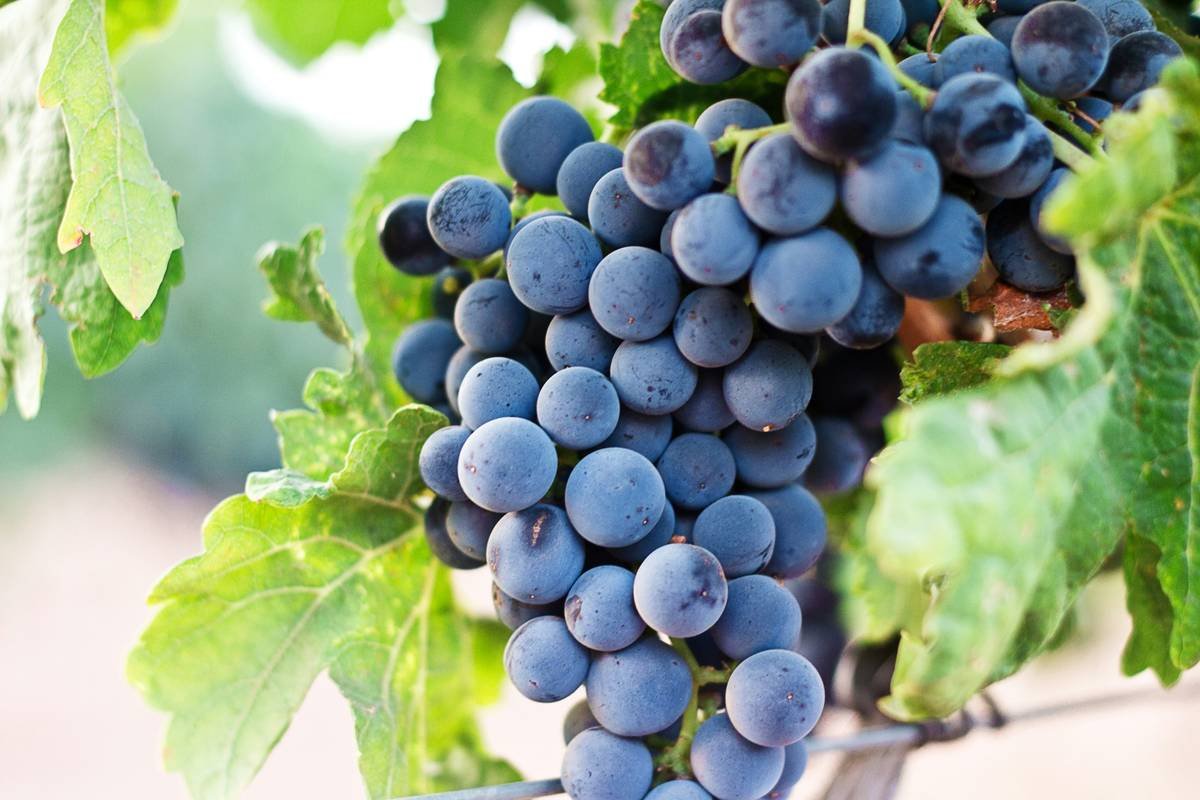
Harvest when phenolic ripeness aligns with acid balance—not just sugar levels. Then, crush and walk away. Trust the wild yeasts clinging to grape skins. Yes, fermentations may stall. Temperatures may fluctuate. That’s not failure—it’s expression.
Step 3: Bottle With Minimum Intervention
No fining agents (even egg whites or bentonite). No reverse osmosis. No spinning cones to “adjust” alcohol. If the wine throws sediment? Fine. That’s life in a bottle.
The Industry Secret: Real Terroir Can’t Be Certified
Here’s the uncomfortable truth: the most authentic holistic organic wine makers often skip certification altogether. Why? Because compliance paperwork costs thousands—and distracts from actual farming. Some top-tier growers in Languedoc or Sonoma operate under verbal trust with buyers, sharing soil reports and fermentation logs instead of slapping a logo on the back label. Their wines sell out in hours. Not because they’re “organic,” but because they taste like a place—not a process.
Think about it: nature doesn’t follow bureaucratic checklists. Neither should your wine.
FAQ
Is holistic organic wine making the same as natural wine?
Not exactly. Natural wine is an umbrella term; holistic organic wine making is a specific philosophy prioritizing ecosystem reciprocity over minimal intervention alone.
Do these wines spoil faster without sulfites?
Some do. But many age beautifully thanks to balanced pH and native microbial stability. Store them cool and dark—they’re alive.
Can I visit a winery that practices this?
Yes—but ask direct questions. “Do you add any SO₂?” “Are ferments spontaneous?” True practitioners won’t shy from transparency.