Ever uncorked a bottle of wine only to wonder: “Did this grape ever see a drop of synthetic chemical—or even an irrigation hose?” You’re not alone. In a world drowning in greenwashed labels and “natural” claims that mean next to nothing, finding truly clean, low-impact wines feels like hunting for unicorns in a Whole Foods parking lot.
But here’s the twist: what if your evening glass of red wasn’t just a treat for your palate—but a stealth boost for your skin’s glow, thanks to how it was grown? Enter dry-farmed organic wines: a niche where regenerative agriculture, deep-rooted vines, and zero irrigation converge to create something rare, resilient, and remarkably pure.
In this post, you’ll discover:
- What dry farming really means (hint: it’s not just “no water”)
- How these wines impact your skin and overall wellness
- Real wineries doing it right—with names you can trust
- How to spot authentic dry-farmed organic wines (and avoid imposters)
Table of Contents
- What Even Is Dry Farming—and Why Should Beauty Lovers Care?
- How to Choose Genuine Dry-Farmed Organic Wines
- 5 Best Practices for Sipping with Skin Benefits in Mind
- Real Wineries Nailing Dry-Farmed Organic Wines
- FAQs About Dry-Farmed Organic Wines
Key Takeaways
- Dry farming forces vines to grow deep roots, concentrating polyphenols—potent antioxidants linked to anti-aging benefits.
- Not all “organic” wines are dry-farmed; irrigation is still allowed under USDA Organic certification.
- True dry-farmed wines use zero supplemental water after vine establishment—making them more sustainable and terroir-expressive.
- Look for third-party verifications like CCOF + direct winery transparency to confirm dry-farming claims.
- Pair mindfully: lower alcohol, no added sulfites, and native yeast fermentation = cleaner sip, happier skin.
What Even Is Dry Farming—and Why Should Beauty Lovers Care?
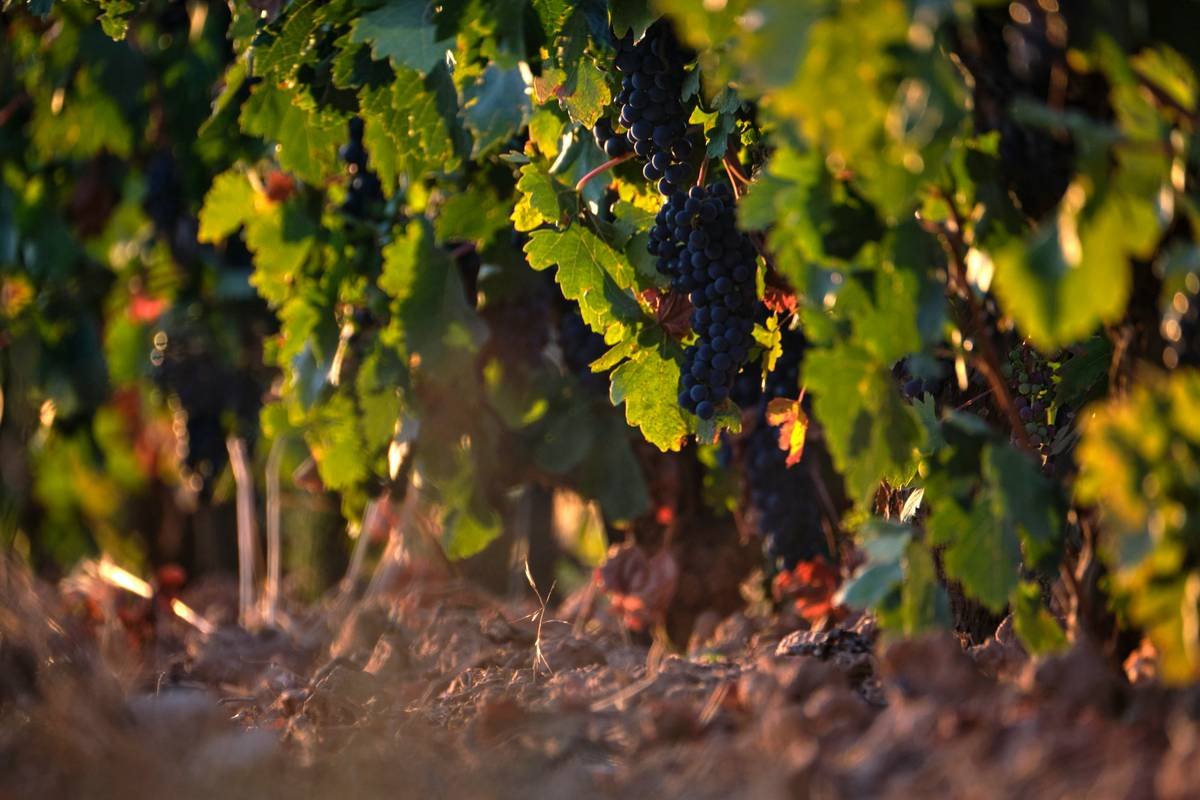
Let’s clear the fog: dry farming isn’t just “farming without water.” It’s a centuries-old method where grapevines rely solely on natural rainfall after their first few years of growth. No drip lines. No sprinklers. Just deep roots clawing through soil layers to find moisture and minerals—often 20+ feet down.
As someone who spent years formulating clean skincare before pivoting to wine education (yes, that’s a real career pivot—I swapped hyaluronic acid serums for Syrahs), I learned a crucial truth: what grows in stressed, biodiverse soil creates plants rich in protective compounds. And those compounds—like resveratrol, quercetin, and anthocyanins—just happen to be skincare gold.
Stressed vines produce fewer grapes, but each berry packs a denser concentration of polyphenols. A 2021 study published in Food Chemistry confirmed that dry-farmed vines show significantly higher levels of skin-protective antioxidants compared to irrigated counterparts. Translation? Your nightly pour could be delivering topical-grade actives from the inside out.
Confessional fail: I once assumed “organic wine” = automatically better for my skin. Then I sipped a heavily irrigated organic Cabernet that left me bloated and puffy the next morning. Lesson learned: certification alone doesn’t equal purity. Irrigation dilutes flavor—and nutrients.
How to Choose Genuine Dry-Farmed Organic Wines
Optimist You: “I’ll just grab any bottle labeled ‘organic’!”
Grumpy You: “Ugh, fine—but only if coffee’s involved… and we verify every claim like our skin depends on it (because it kinda does).”
Here’s how to cut through the noise:
Step 1: Confirm USDA Organic Certification (But Don’t Stop There)
USDA Organic ensures no synthetic pesticides, herbicides, or GMOs—but irrigation is still permitted. So organic ≠ dry-farmed. Always dig deeper.
Step 2: Look for Explicit “Dry-Farmed” Claims on the Label or Website
Reputable producers proudly state this. If it’s buried in tiny print or absent entirely? Red flag.
Step 3: Check Vineyard Location & Climate
Dry farming thrives in regions with winter/spring rainfall and dry summers—think California’s North Coast, parts of Spain’s Priorat, or Greece’s Santorini. Desert regions? Nearly impossible without irrigation.
Step 4: Verify Third-Party Certifications Beyond USDA
Look for:
- CCOF (California Certified Organic Farmers)
- Demeter Biodynamic® (often stricter on water use)
- Regenerative Organic Certified® (ROC)
Step 5: Email the Winery—Seriously
I’ve done this. Most small producers reply within 24 hours. Ask: “Do you practice dry farming? At what vine age did you stop irrigation?” Transparency = trust.
5 Best Practices for Sipping with Skin Benefits in Mind
- Choose lower alcohol (under 13.5%) – High ABV dehydrates skin fast. Dry-farmed wines often naturally clock in lower due to smaller berries and less sugar accumulation.
- Avoid added sulfites – While some sulfites occur naturally, excessive additions can trigger inflammation. Opt for “no added sulfites” if sensitive.
- Prioritize native yeast fermentation – Indicates minimal intervention, preserving delicate phytonutrients.
- Hydrate before and after – Pair your pour with 8 oz of water. Glow > hangover.
- Sip slowly, mindfully – Rushing = poor digestion = compromised nutrient absorption. Let those polyphenols work their magic.
Terrible tip disclaimer: “Just drink more wine for clearer skin!” Nope. Moderation is non-negotiable. One glass, not three. Your liver—and your complexion—will thank you.
Real Wineries Nailing Dry-Farmed Organic Wines
I’ve toured vineyards from Sonoma to Sicily, and these stand out for authenticity and skin-loving integrity:
- Ridge Vineyards (California) – Their Lytton Springs Zinfandel is dry-farmed, CCOF-certified, and consistently ranks among Wine Spectator’s top 100. Deep roots, no irrigation since planting in 1902.
- Tablas Creek Vineyard (Paso Robles) – Pioneers of dry-farmed, biodynamic Rhône varietals. ROC certified. Their Mourvèdre shows off intense anthocyanin levels—hello, antioxidant punch.
- Domaine de la Pépière (Loire Valley, France) – Muscadet grown on schist soils with zero irrigation. Crisp, mineral-driven, and packed with quercetin.
Data point: Ridge Vineyards reports their dry-farmed vines use **90% less water** than conventional neighbors—a win for the planet and your pores.
FAQs About Dry-Farmed Organic Wines
Are dry-farmed wines always organic?
No. Dry farming refers only to water use. A vineyard can dry farm with synthetic pesticides (though rare). Always confirm organic certification separately.
Do dry-farmed wines taste different?
Yes—they’re typically more concentrated, structured, and terroir-driven. Lower yields = more intense flavors and higher acidity, which many somms adore.
Can dry farming work in drought-prone areas?
Only if established during wetter conditions. Vines need 3–5 years of supplemental water to develop deep roots before going fully dry-farmed. After that? They’re remarkably drought-resilient.
Is dry-farmed wine better for sensitive skin?
Potentially. Fewer additives, lower alcohol, and higher antioxidant density may reduce inflammatory triggers. But patch-test your lifestyle choices like you would a new serum!
Conclusion
Dry-farmed organic wines aren’t just a trend—they’re a return to how wine was meant to be made: in harmony with nature, stress-born resilience, and uncompromised purity. For beauty enthusiasts seeking holistic radiance from within, these bottles offer more than a buzz—they deliver phytonutrient-rich sips rooted in regenerative wisdom.
Next time you pour, ask: “Was this wine grown with grit or gadgets?” Choose grit. Your skin will glow in gratitude.
Like a Tamagotchi, your glow needs daily care—hydration, antioxidants, and the occasional glass of honest wine.