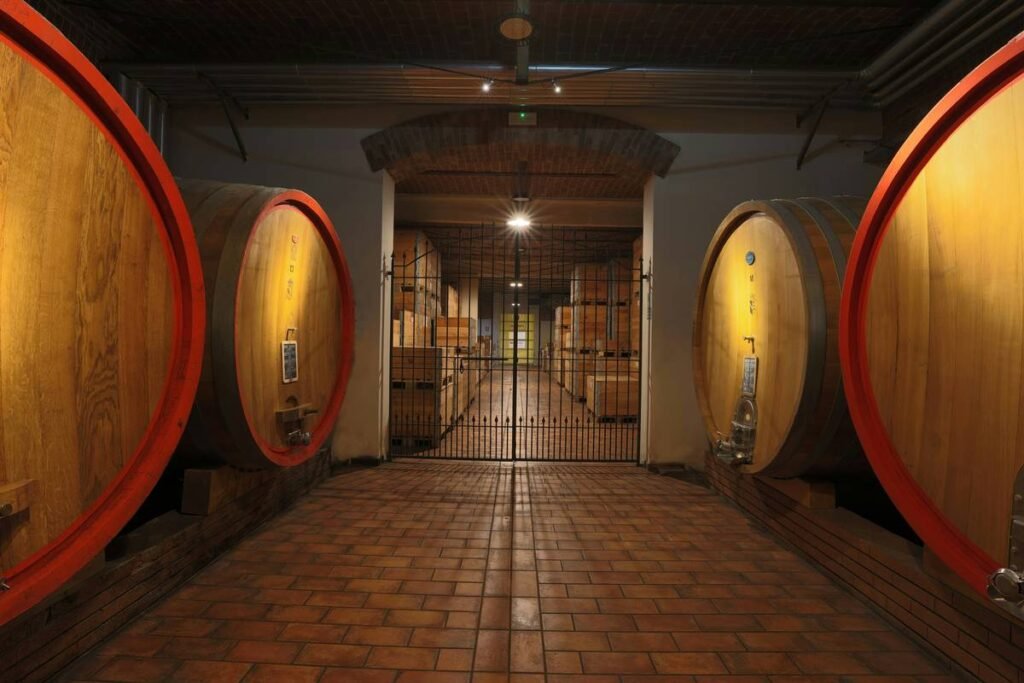
You pour a glass of “natural” wine, expecting purity. Instead, you’re drinking sulfites, added sugars, and lab-engineered yeast strains disguised as artisanal. The problem? Most so-called organic wines are anything but real food. They’re processed beverages masquerading as health-conscious choices. Real-food wine beverages—those made only from fermented grapes with nothing added or removed—exist. But they’re rare. And finding them demands more than just checking a label.
Why Most “Natural” Wines Fail the Real-Food Test
The term “natural wine” has no legal definition in the U.S. Zero regulation. Winemakers can slap it on bottles containing up to 35 added ingredients—from commercial yeasts to Mega Purple coloring. Even certified organic wines often include added sulfites (up to 100 ppm) and acid adjustments. That’s not real food. That’s processed juice with a rustic story.
And here’s the kicker: fermentation itself doesn’t guarantee cleanliness. Poor vineyard practices lead to mold, which forces winemakers to add preservatives post-harvest. So even if the label says “biodynamic,” trace toxins may linger. Real-food wine beverages reject all shortcuts. No tweaks. No fixes. Just grape + time.
How to Identify and Source Real-Food Wine Beverages
Finding true real-food wine beverages isn’t about certifications—it’s about trust, transparency, and tiny producers who refuse to cut corners. Follow this protocol:
Step 1: Ditch the Supermarket Shelves
Chain stores carry wines designed for shelf stability—not purity. Real-food wine beverages oxidize faster because they lack preservatives. You won’t find them next to mass-market Pinot Grigio.
Step 2: Demand Full Ingredient Disclosure
Ask your retailer or winery: “What did you add?” If the answer includes anything beyond grapes (and maybe native yeast clinging to the skins), walk away. Real-food wine beverages contain one ingredient: grapes.
Step 3: Look for Low Alcohol & Cloudiness
High alcohol often means added sugar before fermentation (chaptalization). Cloudiness signals unfiltered wine—common in real-food producers who skip fining agents like egg whites or bentonite clay.
| Attribute | Conventional “Organic” Wine | Real-Food Wine Beverages |
|---|---|---|
| Ingredients | Grapes + up to 30 additives (yeast, enzymes, sulfites) | Grapes only (wild yeast naturally present) |
| Sulfite Level | Up to 100 ppm (certified organic) or 350 ppm (conventional) | 0–10 ppm (naturally occurring only) |
| Filtration | Always filtered for clarity and stability | Typically unfiltered—may appear hazy |
| Shelf Life | 3–5 years | 6–18 months; best consumed fresh |

The Industry Secret: Why Big Organic Wine Brands Won’t Go Fully Clean
Here’s what distributors won’t tell you: scaling real-food wine beverages is nearly impossible. Without sulfites or filtration, batches vary wildly. A hot summer = higher alcohol. Rain before harvest = diluted flavor. Consumers complain. Returns spike. Profit margins evaporate.
So big players simulate purity. They use organic grapes but add lab-grown nutrients to “steer” fermentation. It’s cleaner than conventional wine—but still engineered. True real-food wine beverages embrace unpredictability. Each bottle tells a weather story. That’s why the best come from farms under 10 acres, where the winemaker sleeps near the tanks and tastes every barrel daily.
Frequently Asked Questions
Are real-food wine beverages healthier?
Not necessarily “healthier,” but they avoid foreign additives that trigger sensitivities. If you react to wine headaches, sulfites or histamines from cultured yeast may be the culprit—both absent in true real-food versions.
Do real-food wine beverages taste different?
Yes—often funkier, earthier, and more variable. One bottle might smell like wet stone; another like bruised apple. That’s terroir speaking, not a flavor defect.
Where can I buy real-food wine beverages online?
Specialty retailers like Raw Wine, Selections by Flo (flopranziq.com), or direct from micro-wineries practicing zero-intervention winemaking. Avoid Amazon or Total Wine—they rarely carry authentic examples.