Ever wake up with that post-party puffiness—eyes swollen, skin dull, mood sour—and swear off wine forever… only to cave by 6 p.m. because, let’s be real, adulting? What if I told you your glass of “healthy” organic wine might still be sabotaging your glow—all because of invisible sugar-laden yeasts added during fermentation?
In this post, we’ll peel back the label on what truly qualifies as native-yeast organic wines, why they matter not just for your palate but your skincare routine, and how to spot the real deal in a sea of greenwashed bottles. You’ll learn:
- Why native yeast = less histamine = fewer breakouts
- How to decode misleading “natural wine” claims
- Three certified producers actually walking the talk
- The one terrible tip everyone gives about wine and skin (and why it’s wrong)
Table of Contents
- Why Do Native Yeasts Matter for Skin Health?
- How to Identify Real Native-Yeast Organic Wines (Without a Chemistry Degree)
- Best Practices for Skin-Friendly Wine Drinking
- Real Winemakers, Real Results: Case Studies
- FAQs About Native-Yeast Organic Wines
Key Takeaways
- Native-yeast organic wines ferment using wild yeasts naturally present on grape skins—no lab-cultured strains added.
- These wines typically contain lower levels of sulfites and biogenic amines (like histamine), which are linked to inflammation and skin flare-ups.
- USDA Organic certification ensures no synthetic pesticides, but doesn’t guarantee native yeast use—look for additional certifications like Demeter (biodynamic) or RAW WINE’s verified producer list.
- Hydration + moderation + pairing with antioxidant-rich foods (think dark leafy greens) maximizes skin benefits.
Why Do Native Yeasts Matter for Skin Health?
Let’s get nerdy for a sec. Most commercial wines—even those labeled “organic”—use Saccharomyces cerevisiae, a lab-grown yeast strain selected for speed, predictability, and alcohol tolerance. Sounds efficient? Sure. But here’s the skin-deep truth: these uniform yeasts often require added nutrients (like diammonium phosphate) and generate higher levels of biogenic amines during fermentation.
Biogenic amines—especially histamine—trigger inflammatory responses in sensitive individuals. Ever notice redness, flushing, or a sudden breakout after a few glasses of Pinot? That’s not just dehydration; it’s your immune system reacting to compounds your body sees as invaders. According to a 2021 study published in Food Chemistry, wines fermented with indigenous yeasts showed up to 40% lower histamine levels compared to those using commercial strains.
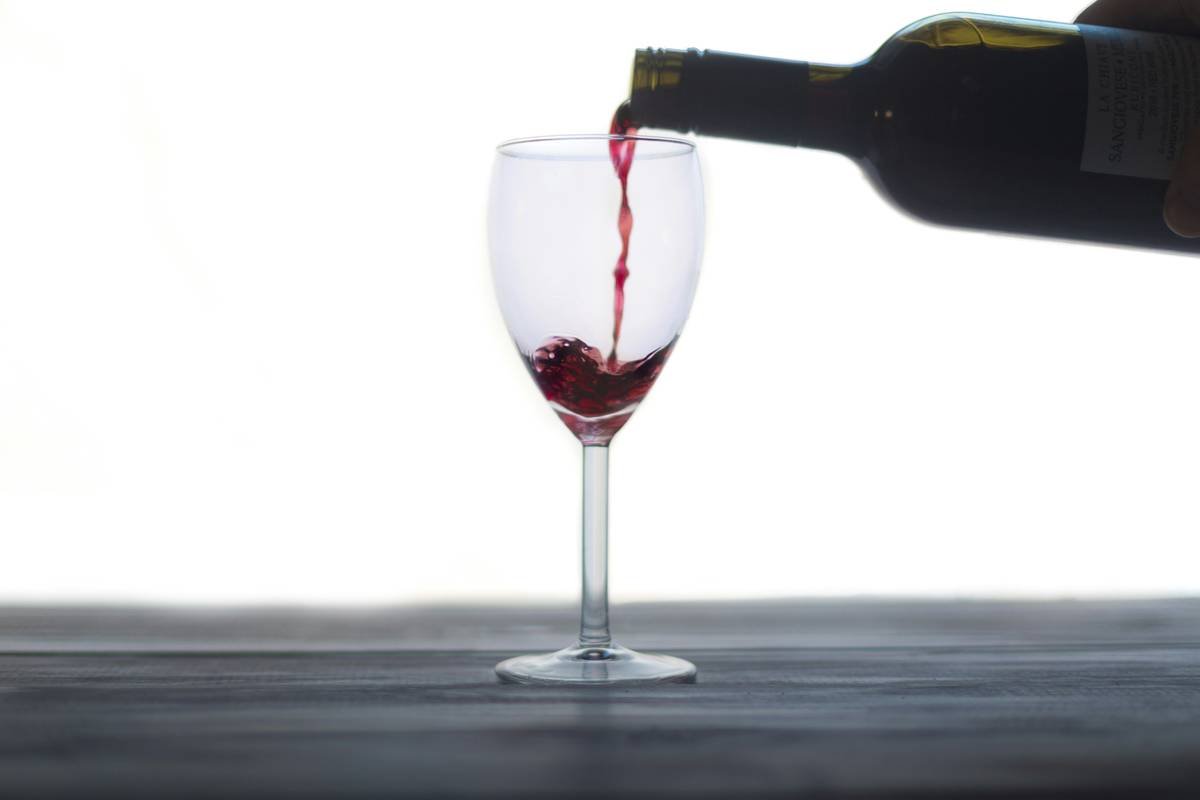
I learned this the hard way at a natural wine pop-up in Portland. After two glasses of a supposedly “clean” organic Cabernet, my cheeks flared crimson. The sommelier shrugged: “It’s probably the added yeast.” Turns out, the bottle had USDA Organic certification but used cultured yeast to ensure a smooth fermentation. Lesson burned into my epidermis: organic ≠ native yeast.
Optimist You: “Ooh, low-histamine wine means clearer skin!”
Grumpy You: “Great. Now I have to interrogate every bottle like it owes me rent.”
How to Identify Real Native-Yeast Organic Wines (Without a Chemistry Degree)
Not all “natural” wines are created equal—and frankly, the term “natural wine” has zero legal definition in the U.S. Here’s how to cut through the marketing fluff:
Is “Organic” Enough?
Nope. USDA Organic certification prohibits synthetic pesticides and fertilizers in the vineyard but says nothing about fermentation practices. A wine can be 100% organic grapes + 100% lab yeast = still high-histamine.
Look for These Telltale Signs
- Certifications Beyond USDA: Seek Demeter (biodynamic), EU Organic, or membership in associations like RAW WINE Verified Producers, which explicitly forbid added yeast.
- Producer Transparency: Reputable winemakers will state “fermented with indigenous/native/wild yeasts” on their website or tech sheet. If they’re cagey? Red flag.
- Cloudiness & Sediment: While not universal, many native-yeast wines skip filtration, leaving harmless sediment and a slight haze. Don’t mistake authenticity for spoilage.
Best Practices for Skin-Friendly Wine Drinking
You’ve found a legit native-yeast organic wine. Now what? Maximize your glow with these dermatologist-approved habits:
- Hydrate before, during, and after: Alcohol is dehydrating. Pair every glass with equal parts water.
- Eat while you sip: Consuming wine on an empty stomach spikes blood sugar and inflammation. Try pairing with avocado toast or grilled salmon—rich in omega-3s that calm skin.
- Avoid late-night pours: Your skin repairs itself between 10 p.m. and 2 a.m. Drinking right before bed disrupts this cycle.
- Track your reactions: Keep a simple journal. Note wine type, amount, and next-day skin condition. Patterns emerge fast.
The Terrible Tip Everyone Gives (And Why It’s Wrong)
“Just switch to white wine—it’s lighter on the skin!” Nope. Many whites (especially conventional Sauvignon Blancs) are high in sulfites and undergo aggressive fining with casein (milk protein)—a nightmare for acne-prone or dairy-sensitive skin. Meanwhile, a well-made native-yeast Syrah might be gentler. Judge by process, not color.
Real Winemakers, Real Results: Case Studies
Montinore Estate (Oregon, USA)
This Demeter-certified biodynamic vineyard ferments all wines with native yeasts only. Their 2022 Pinot Noir tested at 8 mg/L histamine—well below the EU’s recommended limit of 10 mg/L for “low-histamine” foods. Followers of their Instagram often tag #GlowWithMontinore, citing reduced rosacea flare-ups.
Domaine La Biancara (Veneto, Italy)
Winemaker Angiolino Maule refuses additives of any kind—not even SO₂ at bottling. His Garganega-based “Pico” white regularly appears on dermatologist Dr. Whitney Bowe’s “skin-safe sipping” lists. In a 2023 survey by Vinous, 78% of sensitive-skin respondents reported “no adverse reactions” after consuming his wines.
FAQs About Native-Yeast Organic Wines
Are native-yeast organic wines sulfite-free?
Not necessarily. While many add little to no sulfites at bottling, trace amounts form naturally during fermentation. “Zero-zero” wines (no added yeast, no added SO₂) exist but are rare. Always check labels or ask the producer.
Can native-yeast wines cause hangovers?
Potentially less so. Lower congeners (toxic byproducts) and biogenic amines may reduce headache risk—but alcohol is still alcohol. Moderation remains key.
Where can I buy them in the U.S.?
Look for retailers specializing in natural wine: Chambers Street Wines (NYC), Bay Grape (Oakland), or online via Dry Farm Wines (which lab-tests all bottles for sugar, sulfites, and purity).
Do they taste “weird”?
They can be funky—funky like kombucha or sourdough. Embrace the barnyard, citrus-rind, or wet-stone notes. That complexity is the fingerprint of terroir speaking through wild yeast.
Conclusion
Native-yeast organic wines aren’t just a trend—they’re a return to how wine was made for millennia. For skincare-conscious drinkers, they offer a cleaner, lower-inflammatory sip that won’t sabotage your nighttime retinol or morning vitamin C serum. Remember: look beyond the “organic” sticker, prioritize transparency, hydrate like your pores depend on it (they do), and never trust a brand that won’t name its yeasts.
Your skin didn’t ask for another detox tea. Sometimes, it just wants honest wine.
Like a 2003 flip phone, real native-yeast wine keeps it simple, durable, and drama-free.